You know that feeling when you say yes to something before you actually know what it is. I’ve done that more times than I want to admit. This week gave me a fresh reminder of how fast that habit gets expensive, and how much faster the smart people get out once they figure out what they actually agreed to.
Let’s go…
ON THE AGENDA
A pickle company’s fast exit
Curry’s new logo, and what Under Armour actually lost
Starbucks caps a frenzy it built on purpose
Brett’s Take: a jury just gutted UGG’s boot patent
THE LEAD
The pickle company that read the room
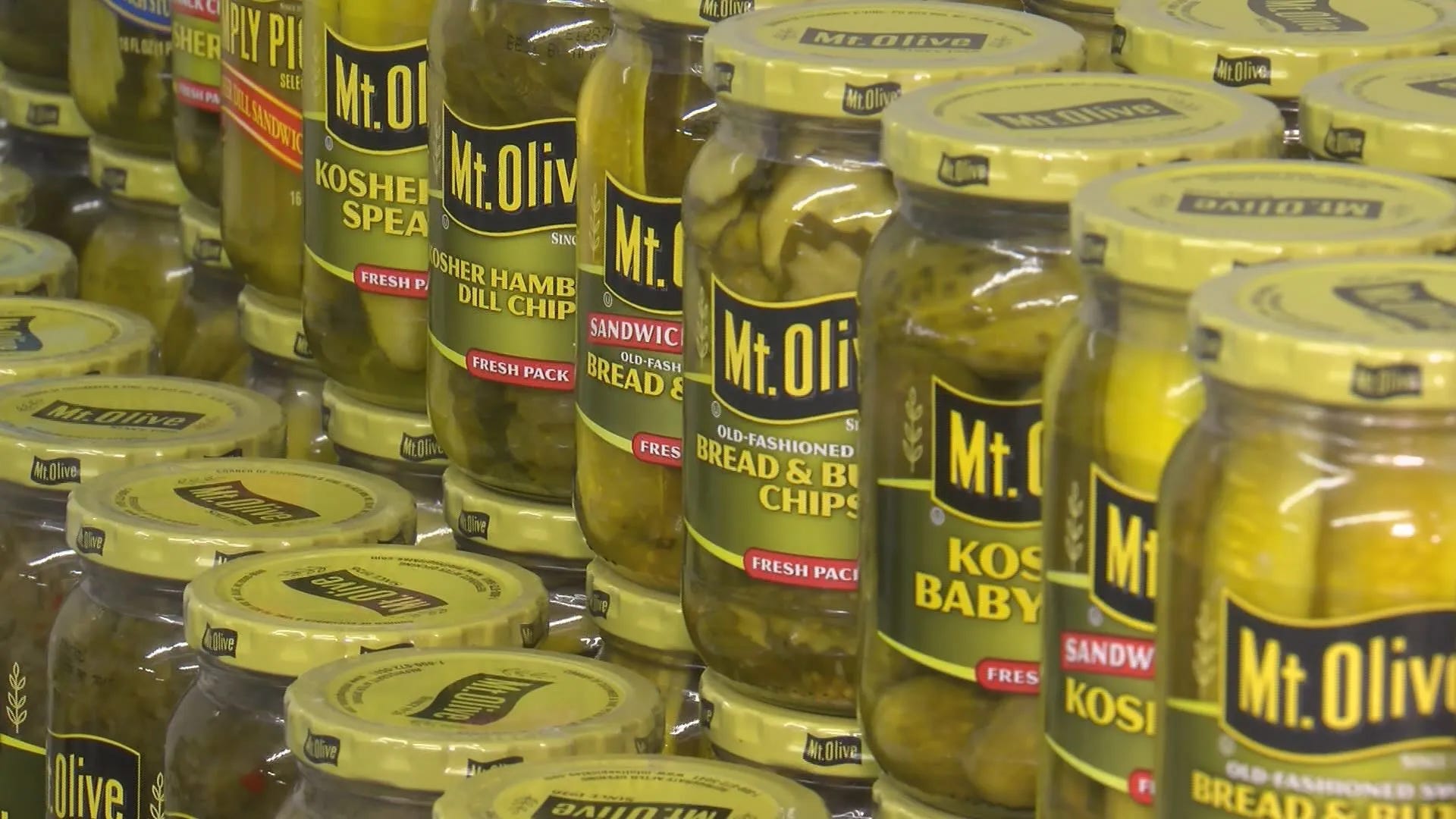
The America 250 Fair on the National Mall had a North Carolina exhibit, sponsored in part by Mt. Olive Pickles, a company that has been putting its name on jars since 1926. Somewhere inside that exhibit, a video showed the Confederate flag and nobody at the company knew it was there.
Once they saw it, Mt. Olive didn’t wait on a crisis team to build a strategy deck. It posted a plain statement, said it was unaware, said the flag didn’t fit within their values and withdrew. Done in a matter of days.
Everybody is going to talk about the flag itself, who put it there and why. That’s the loud part. The quiet part is that Mt. Olive said yes to an exhibit it hadn’t fully vetted, found out what it had actually signed up for, and got out before the story became about them instead of the flag.
With event sponsorships you’re not just buying a logo placement. You’re buying whatever else shows up next to your logo, and you don’t get to pick that part. Plenty of brands don’t move as fast as Mt. Olive, and by the time they do, the apology reads like damage control instead of a decision already made.
↗ The Hill
THE RUNDOWN
Curry kept the logo. Under Armour lost the athlete.
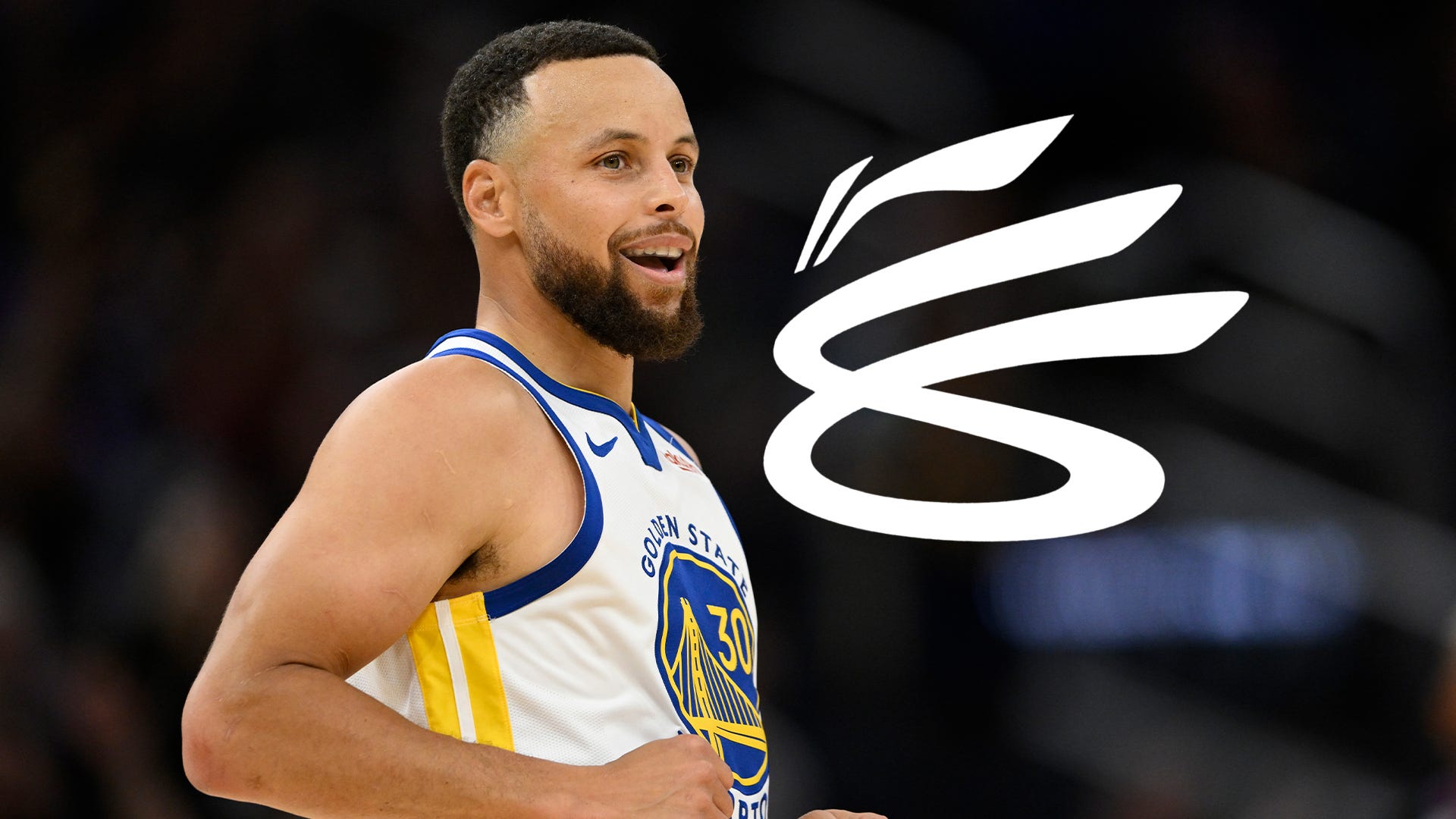
After seven months of sneaker free agency, Steph Curry signed with Li-Ning and kept his own logo. The splash fingers, the halo, all of it carried over, just with a new name stamped on top. Under Armour didn’t just lose a shoe deal. It also lost the version of Steph Curry it spent a decade building, because it turns out he built that mark for himself the whole time.
The Thing to Remember: Most athlete deals hand the brand mark to the shoe company, not the player. Curry structured his differently years ago, which is exactly why he could walk into the Li-Ning deal with his own identity.
Two per customer won’t save Starbucks from itself
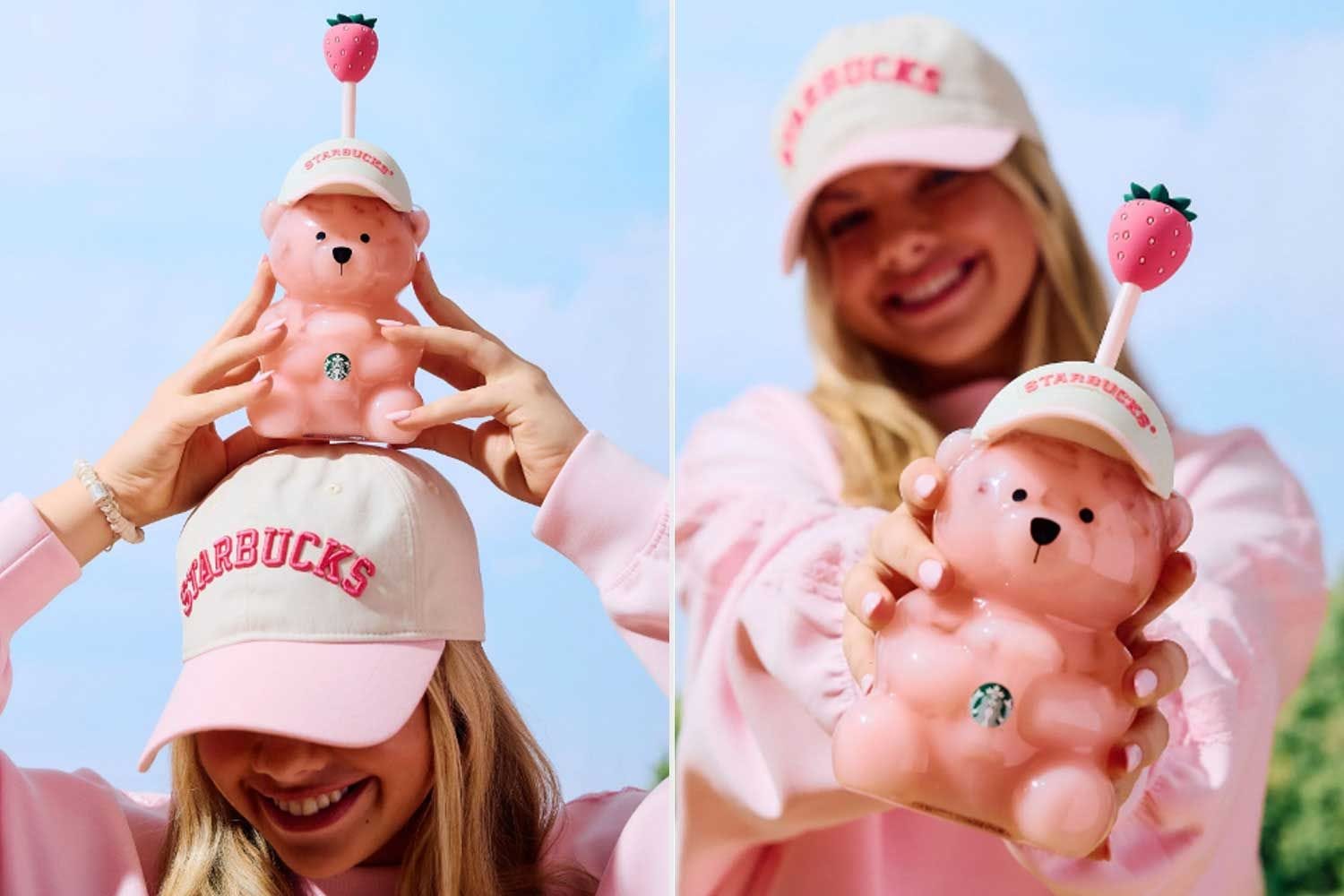
The Starbucks Pink Bearista cup drops July 9th for Reserve members, then wider on July 13th, capped at two per customer. Last year’s version caused shoving matches and $800 resale listings. Limiting the number you can purchase sounds like the fix. Actually, it just delays the resale flip by a few hours and moves the chaos from the counter to the eBay.
The Thing to Remember: The resale frenzy functions as free marketing for Starbucks. A two-cup limit mostly gives the company a tidy line about fairness for the next time cups vanish in ten minutes. Real scarcity control would mean smaller, less frequent drops, not a purchase cap nobody enforces at the register.
↗ ABC News
IKEA turned an April Fools’ joke into a real product
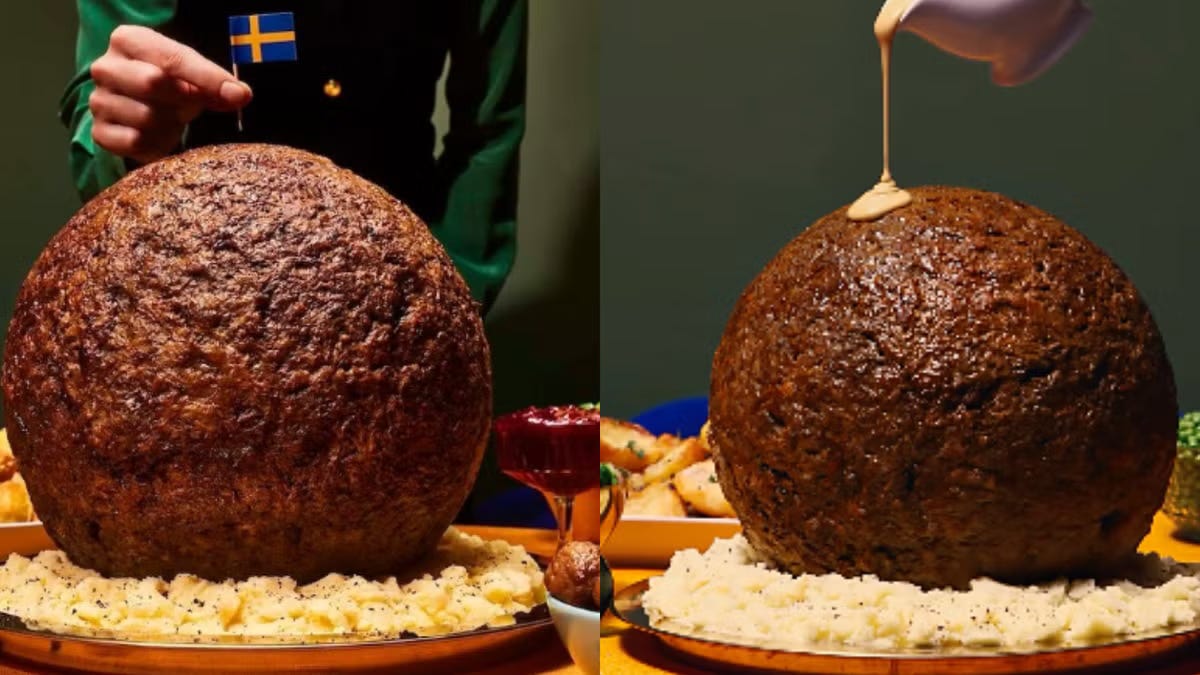
IKEA teased a giant meatball as an April Fools’ joke, then found out people actually wanted it. A million units are shipping to stores worldwide this summer for the meatball’s 40th anniversary, built off a joke that doubled as a free demand test. Most brands pay research firms for that kind of data. IKEA just posted a joke and watched what happened.
The Thing to Remember: Most brand teams kill ideas like this before they ever see daylight, because a joke carries real reputational risk if it flops in public. IKEA let the joke run, measured the reaction, and only then spent real production money on it. That’s a cheaper and more honest research process than most agencies charge for.
BRETT’S TAKE
A jury just told UGG its boot design was never really its own
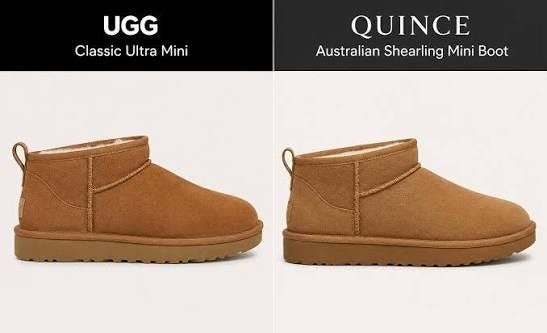
UGG won its case and lost the thing that mattered.
A federal jury ruled that Quince’s Australian Shearling Mini Boot copied UGG’s Classic Ultra Mini. At the same time, that jury also invalidated the design patent UGG used to bring the case in the first place. They proved the copy happened but they left with nothing to enforce it.
The dupe conversation always gets framed as a pricing story with some scrappy brand undercutting a legacy label by forty percent for customers who can’t tell the difference or don’t care. A jury in Delaware just showed that the bigger problem sitting underneath it is that the silhouette UGG built a hundred million dollar brand around was too generic to legally own.
This touches every brand whose entire identity lives in a shape, a stitch pattern, a proportion, something you’d recognize across a room before you ever saw the logo. If a court can decide that shape was never protectable, the design itself was never the asset everyone assumed it was. The logo was.
I’d rather see brands spend less time suing dupes and more time asking whether their design actually holds up as intellectual property in the first place. UGG just found out the hard way that it didn’t. That’s a boardroom conversation, not a legal footnote, and most brands haven’t had it.
↗ Erise IP
THE FORECAST
First issue of the month, so it’s time to look ahead instead of back.
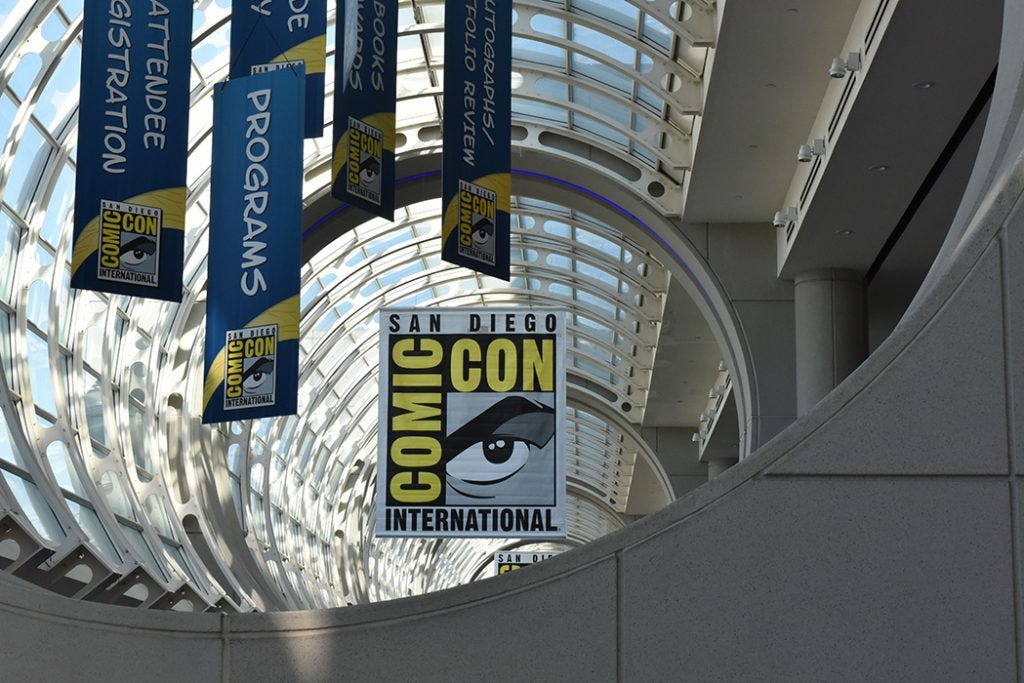
San Diego Comic-Con runs July 22nd through 26th, and the real story every year isn’t the panels, it’s the exhibit hall. Watch which exclusives show up on resale sites before the doors even open. That’s the merch story.
The NFL Hall of Fame Game opens preseason on August 6th, and the season opener is September 9th with the Seahawks hosting the Patriots, a Super Bowl rematch on opening night. That storyline is going to move a lot of jerseys.
Labor Day falls on September 7. After that, the calendar belongs to Black Friday planning whether you’re ready or not.
September 11th marks 25 years since the towers fell. This is not a merchandise opportunity. Any brand that treats it like one is tone-deaf and deserves any flack it gets.
Fashion month runs September 11th through October 4th in New York, London, Milan, and Paris. Watch for capsule collabs timed to the runway shows.
Shoptalk Fall hits Nashville September 29th through October 1st. Good place to watch what the big retailers are planning for holiday branded merchandise before the rest of us find out.
THE PITCH
This issue was basically one long case study in finding out too late what you’d already agreed to. That’s exactly the gap our Brand Friction Audit is built to close, before the sponsorship, before the campaign, before the merch program goes out the door.
We look at where your brand’s name is already attached to things you haven’t fully vetted: sponsorships, licensing deals, co-branded programs, and flag the friction points before they become someone else’s headline.
We pressure-test any new branded merchandise program against what your brand actually stands for, not just what fits the budget.
If you want a second set of eyes on something you’re about to say yes to, let’s have a fifteen minute conversation. It won’t be a sales pitch…promise.
That’s it for this week…
Thanks for reading. Comment below and share far and wide.
P.S.
This recent heat wave was brutal. I don’t think I left the house or the pool most of the weekend. Why do I think it won’t be the last one we experience this summer. Stay cool out there!
See you next week.